
Hazardous waste traceability: the tracking form, from producer to disposal
28 September 2026
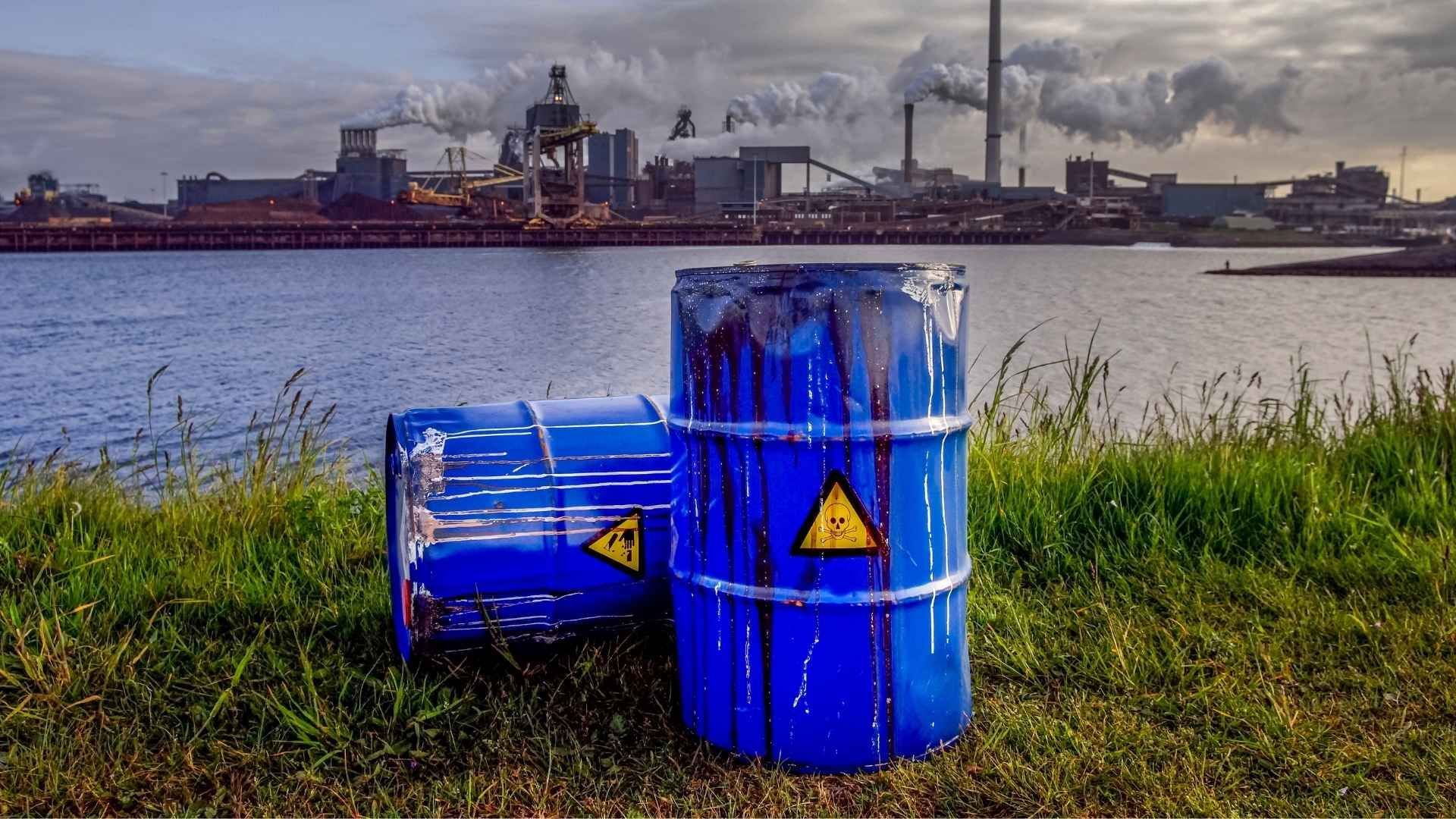
Knowing where each hazardous waste goes, who took charge of it and how it was disposed of: the tracking form is the tool that proves it. An overview for HSE managers.
Producing hazardous waste is not a fault. Not being able to say where it went, who transported it and how it was disposed of, however, exposes the company to environmental, legal and reputational risk. Traceability answers that question, and its main tool is the waste tracking form.
The principle: a continuous chain of responsibility
The producer of hazardous waste remains responsible for it until final disposal, even when collection and treatment are entrusted to a contractor. This logic appears in the principles of Senegal's Environmental Code and in the Basel Convention on transboundary movements of hazardous waste, both of which rest on the idea that waste must be traceable from production to disposal. The form materializes this chain: each party records what it received, when, and to whom it handed it over.
What a tracking form contains
Templates vary between contractors and applicable requirements, but the same headings are generally found:
- the producer: company name, site address, person in charge;
- the waste: description, physical nature (liquid, solid, sludge), hazardous character, classification code where one exists;
- the quantity handed over, with its unit and measurement method (weighing, estimated volume);
- the packaging: drums, tankers, big bags, bulk;
- the carrier: identity, vehicle, date and time of collection;
- the destination: treatment, incineration or storage facility;
- the signatures of each party at each transfer;
- the proof of final disposal, returned to the producer.
The five stages of the circuit
- Identification: the producer characterizes its waste. The safety data sheet of the original product, or an analysis for a mixture, shows what is being dealt with.
- Packaging and storage: the waste is placed in suitable, labelled containers and kept in a temporary storage area.
- Collection: the form is completed and signed by the producer and the carrier. The quantity actually loaded is recorded by both parties.
- Transport and reception: the carrier hands the waste to the destination facility, which checks that what arrives matches what was declared and signs in turn.
- Disposal and return of proof: the facility certifies the treatment. The producer receives its closed copy and files it.
Proof of the last stage is the one most often forgotten. A form left open means nobody knows what became of the waste.
Good practice on the producer side
- Appoint a person in charge of following the forms, with a deputy.
- Keep a hazardous waste register that reconciles quantities produced, quantities collected and forms received. A discrepancy should trigger a check.
- Let no waste leave without a signed form, including small quantities or urgent collections.
- Chase contractors whose form has not come back closed within a period you have set by contract.
- Keep the documents for a period consistent with the applicable regulations and the requirements of your clients or certifiers, and be able to find them quickly in an audit.
- Check the authorizations of the carrier and the destination facility before the first collection, then periodically.
Points of vigilance
- Quantity differences between collection and reception: they are normal to a degree (weighing, draining), but must be explained.
- Undeclared mixtures: a waste declared as used oil that contains solvents may be refused on arrival or wrongly treated.
- Cascading subcontracting: every party must appear on the form.
- Forms completed after the fact, which lose their value as proof.
Going digital without losing the proof
A shared spreadsheet or a small tracking tool makes it quick to reconcile forms and register, and to produce a summary for management or an audit. It complements the signed copies; it does not replace them as long as regulations and your clients require the original document.
A benefit for the company
Rigorous traceability protects the company if pollution is found downstream, simplifies certification audits and reassures clients, particularly in the oil and mining sectors. For the collection, transport and disposal of your hazardous waste, GBA SARL offers services described on this website; you can write to us to clarify your waste streams and tracking needs.
Read also
Why opt for sustainable industrial waste management?
With industrial waste on the increase, responsible management is becoming a major challenge. Improper disposal pollutes the air, water and soil, jeopardising the environment and public health.

5 eco-responsible actions for industrial companies
Adopting sustainable practices is essential if industrial companies are to reduce their environmental impact. Here are five practical steps to take:
Comment bien stocker vos huiles usagées avant la collecte
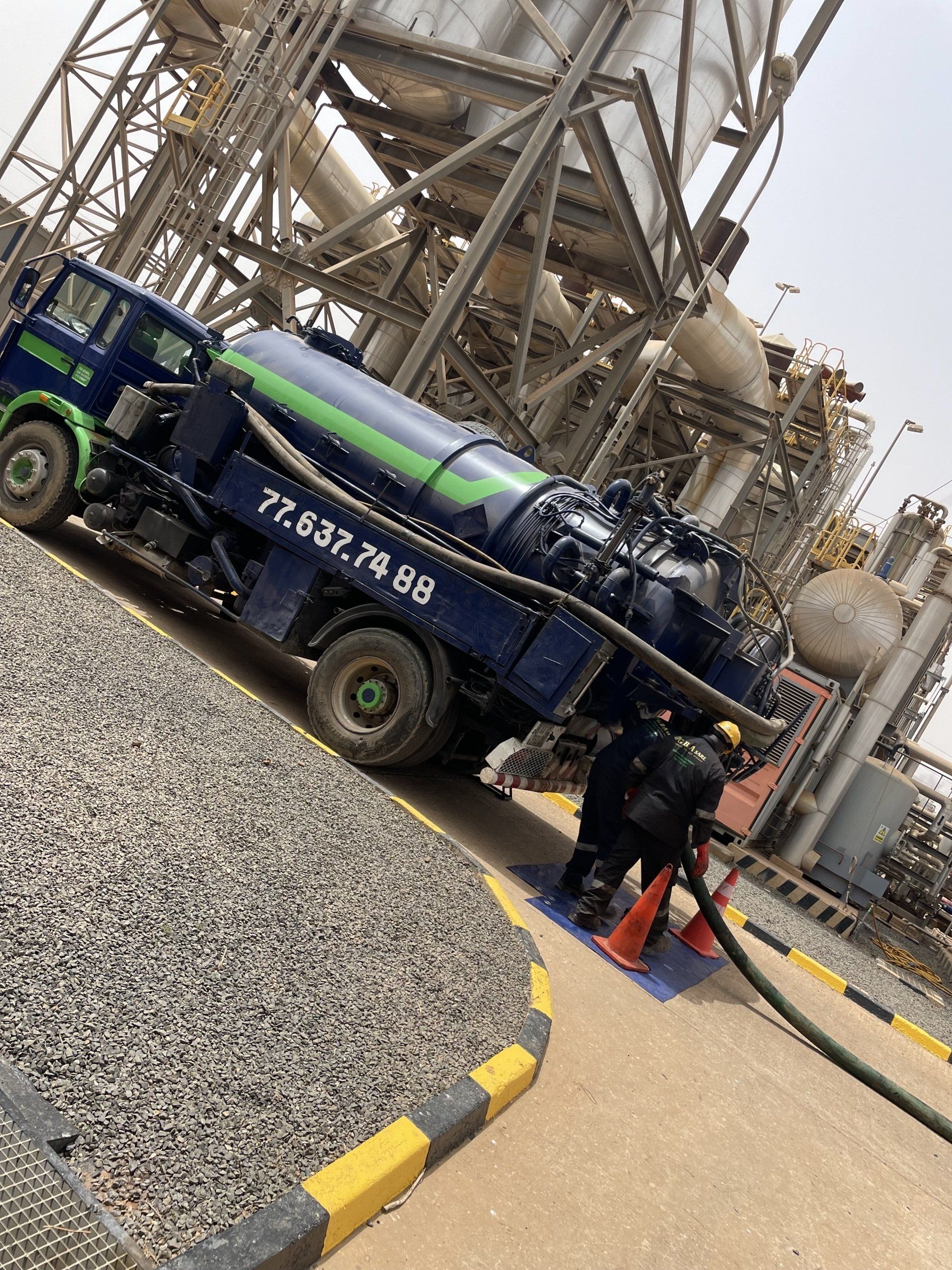
Le stockage sécurisé des huiles usagées est essentiel pour préserver l'environnement et respecter la réglementation. Voici un guide complet pour une gestion optimale de vos déchets hydrocarbures.