
Hydrocarbon waste and oil sludge: reducing volumes before treatment
21 September 2026
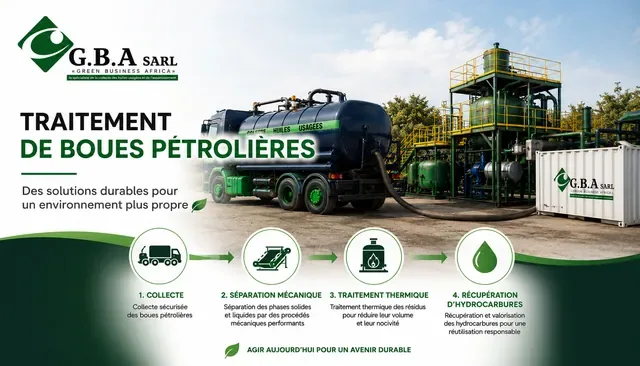
The larger the volume of hydrocarbon waste, the higher the cost of transporting and treating it. Here are practical levers to reduce volumes at source, before calling in a contractor.
Fuel depots, power plants, maintenance workshops, mine sites, port terminals: all these activities generate oil sludge, oily water and hydrocarbon residues. This waste is hazardous, heavy to transport and costly to treat. The good news is that a significant share of the volume to be treated can be avoided upstream, through simple operating practices.
Where this waste comes from
Before reducing, you have to understand. The main sources are:
- the bottoms of storage tanks, where sediments and heavy residues settle over time;
- separators and sludge traps, which retain hydrocarbons from runoff and washing water;
- wash water from floors, machines and trucks;
- maintenance operations: oil changes, parts cleaning, purges;
- accidental leaks and spills, with the soiled soil and absorbents that follow.
Lever 1: prevent mixing
The first principle is the most profitable: never mix. Clean used oil can be collected and recovered. Mixed with wash water or solvents, it becomes an emulsion that is hard to treat and whose volume is multiplied. You should therefore:
- dedicate separate containers to used oils, oily water and soiled solids;
- forbid pouring washing products or solvents into oil drums;
- label each container with its actual content.
Lever 2: separate water from oil
Oily water is often the largest volume item. Water, which makes up most of the flow, can sometimes be separated from the oil before removal:
- regularly maintain sludge traps and separators, whose efficiency drops once they are saturated with sludge;
- provide on-site settling when the volume justifies it, so that only the concentrated phase is transported;
- use suitable treatment units, such as dissolved air flotation, for more complex effluents.
Discharge of the separated water remains subject to the applicable environmental requirements: separation never removes the need to check the quality of what is released.
Lever 3: limit sludge production
In tanks, sludge is the result of slow accumulation. Less of it is produced by acting on operations:
- prevent water from entering tanks (roof and vent tightness, regular draining);
- plan inspections and cleanings before accumulation becomes critical, because a late cleaning needs more resources and produces more residue;
- filter products at the storage inlet where possible.
Lever 4: dewater and concentrate sludge
Oil sludge generally contains a large share of water and solids. The more concentrated it is, the less volume there is to transport and dispose of. Depending on the nature of the sludge, options include:
- settling and drainage;
- mechanical separation, which isolates liquid and solid phases;
- thermal treatment, which separates recoverable hydrocarbons from residues.
The choice of route depends on the composition of the sludge, which must be known: prior characterization avoids unpleasant surprises at disposal time.
Lever 5: prevent leaks and spills
Every spill creates extra waste: contaminated soil, absorbents, cleaning water. Prevention therefore remains the cheapest measure:
- containment under storage and transfer areas;
- accessible spill kits and staff trained to use them;
- regular inspection of hoses, valves and fittings;
- unloading procedures with systematic checks.
Lever 6: recover what can be recovered
Clean used oils and certain fractions recovered from sludge can feed recovery routes, notably as substitute fuel or after regeneration, depending on locally available means. This option depends on product quality, hence the importance of avoiding mixing.
Measure to improve
Track volumes by stream (oils, oily water, sludge, soiled solids) and relate them to site activity. An unexplained increase often signals a leak, a saturated separator or a mixing habit that has set in. This indicator also provides concrete arguments to justify an investment in prevention.
When to call in a contractor
Even with good prevention, residues will remain to be collected, treated or disposed of. GBA SARL works on the collection of used oils and hydrocarbon waste, oil sludge treatment, tank cleaning and incineration of hazardous waste; these services are described on this website. A quote request lets you specify your waste streams and define the right solution.
Read also
Why opt for sustainable industrial waste management?
With industrial waste on the increase, responsible management is becoming a major challenge. Improper disposal pollutes the air, water and soil, jeopardising the environment and public health.

5 eco-responsible actions for industrial companies
Adopting sustainable practices is essential if industrial companies are to reduce their environmental impact. Here are five practical steps to take:
Comment bien stocker vos huiles usagées avant la collecte
Le stockage sécurisé des huiles usagées est essentiel pour préserver l'environnement et respecter la réglementation. Voici un guide complet pour une gestion optimale de vos déchets hydrocarbures.