
5 best practices for responsible management of wastewater networks
Efficient management of wastewater networks is essential for preserving the environment and guaranteeing optimum quality of life. Discover 5 essential practices for sustainable and responsible management.
1. Regular maintenance of infrastructure
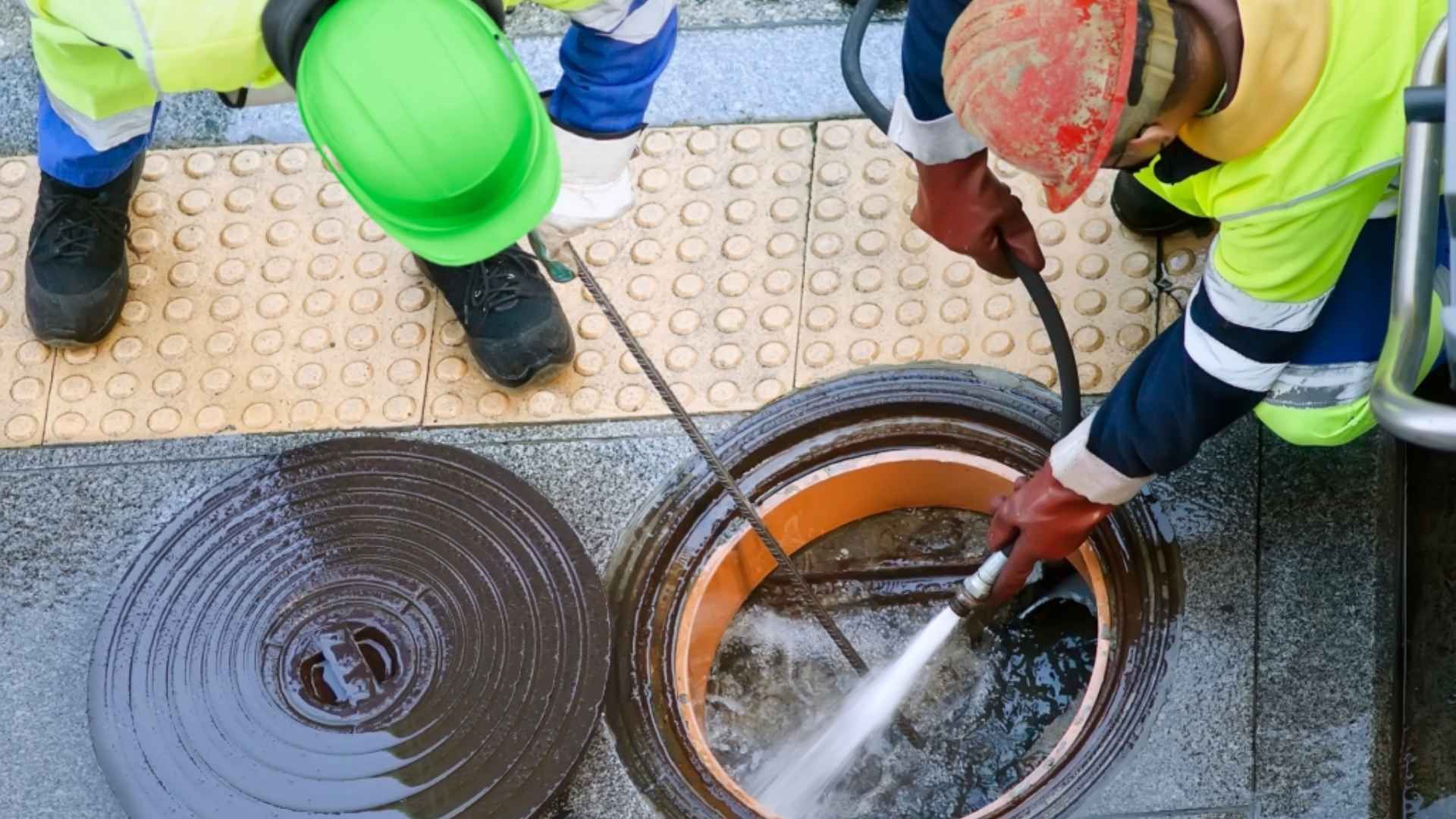
Regular maintenance of wastewater infrastructure helps to prevent blockages and leaks. This includes
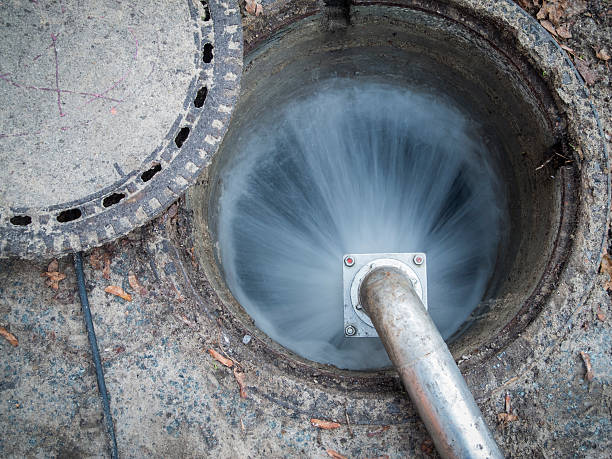
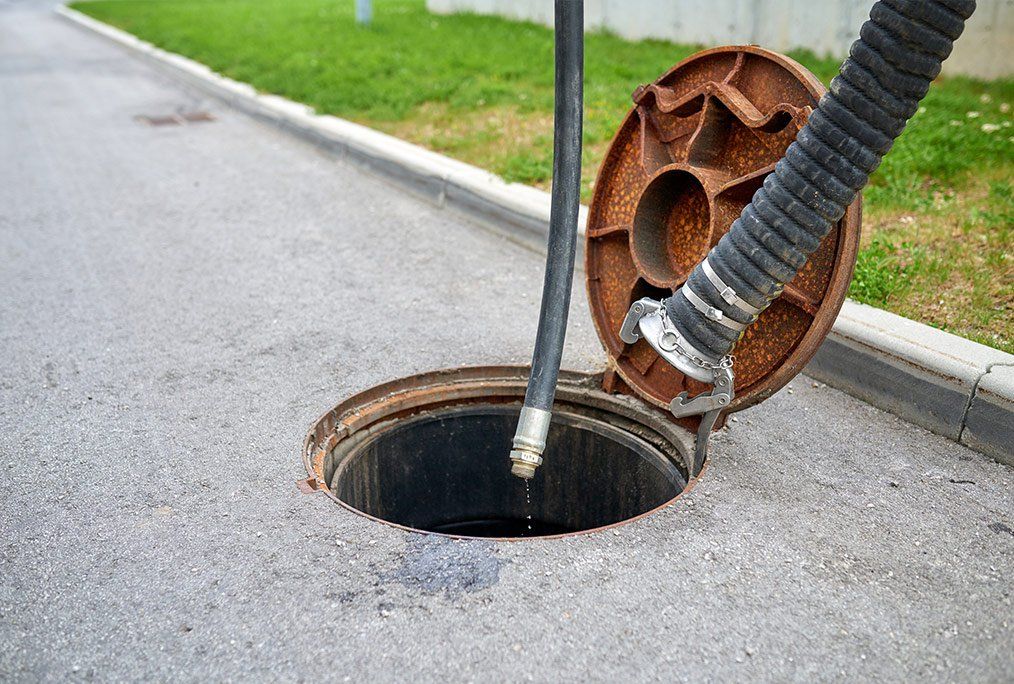
- Regular cleaning of pipes to remove deposits.
- Checking pumping stations to ensure they are working properly.
- Inspecting retention basins to prevent overflows.
Rigorous maintenance prolongs the life of equipment while reducing the cost of emergency repairs.
2. Educate users about responsible use
Responsible management starts with educating users. It is crucial to remind them to :
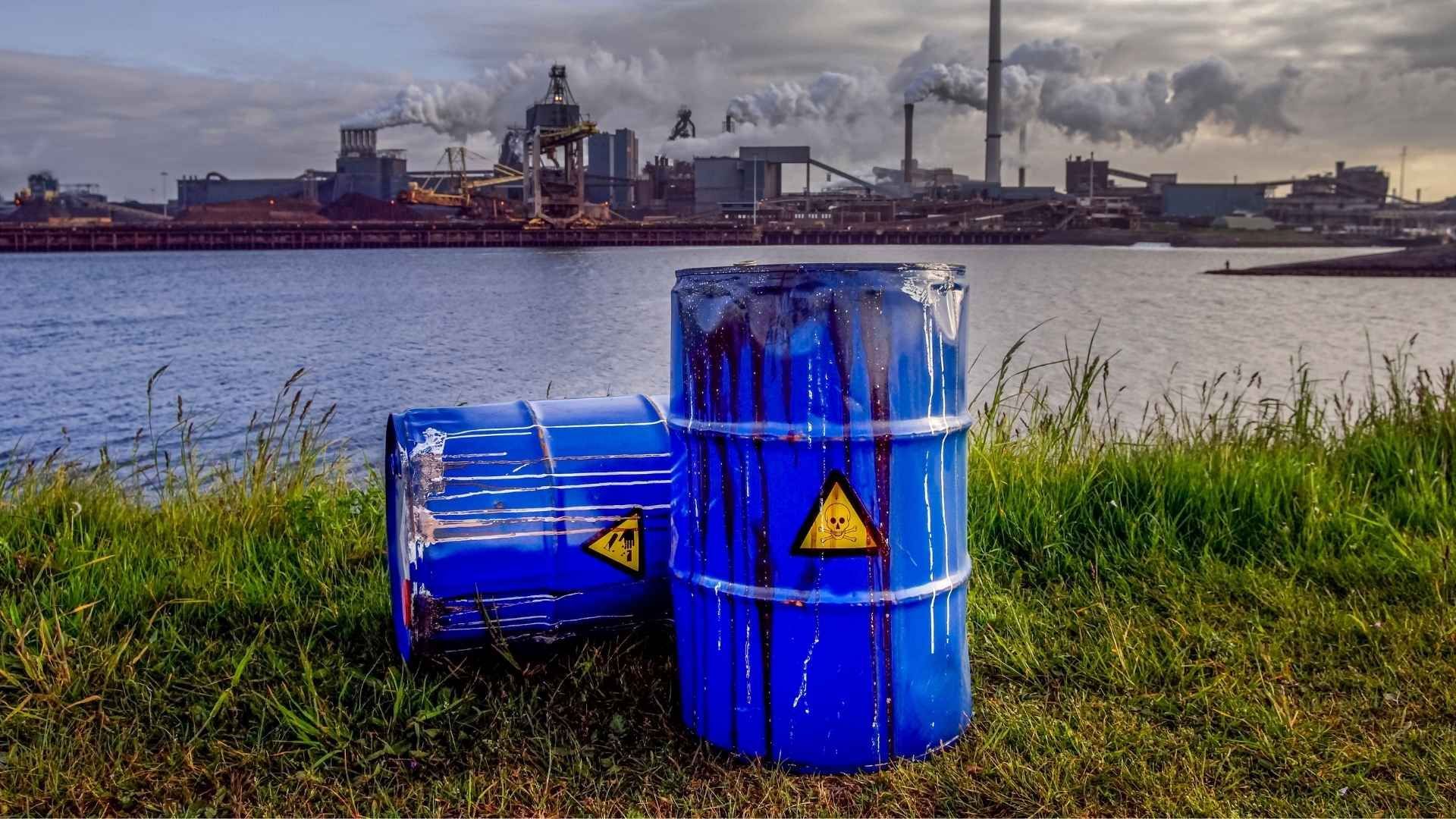
- Do not throw solid waste or chemicals down the drain.
- Limit the use of water to avoid overloading the networks.
- Respect local regulations on waste water management.
Effective awareness-raising reduces the risk of blockages and pollution.
3. Invest in environmentally-friendly solutions
Technological innovations offer more sustainable pumping and treatment solutions, such as:
- Energy-efficient pumping stations.
- Ecological filtration systems for wastewater.
- Solutions for recycling treated water for agricultural or industrial use.
These options reduce environmental impact while optimising available resources.
4. Implement constant monitoring and evaluation
An effective monitoring system helps to detect anomalies quickly. Best practice includes :
- Using sensors to monitor water flows and levels.
- Keeping maintenance logs to monitor the condition of infrastructure.
- Carrying out regular audits to assess network efficiency.
This ensures proactive management and reduces emergency response costs.
5. Working with specialist partners
Calling on wastewater experts can improve the quality of network management. The benefits include :
- Accurate diagnostics using specialised tools.
- Solutions adapted to local constraints.
- Skills transfer to strengthen local teams.
Effective collaboration helps to ensure the long-term viability of networks and meet environmental challenges.
Responsible management of wastewater networks is a priority for sustainable development in Africa. By adopting these 5 best practices, you are helping to protect the environment while ensuring a reliable and efficient service for the population. Investing in sustainable solutions, raising user awareness and working with experts are the keys to a greener future.